Why Some Packaging Opens in Layers
Layered packaging separates presentation, access and storage; learn what each layer does and decide which parts to keep for a tidier, easier routine.
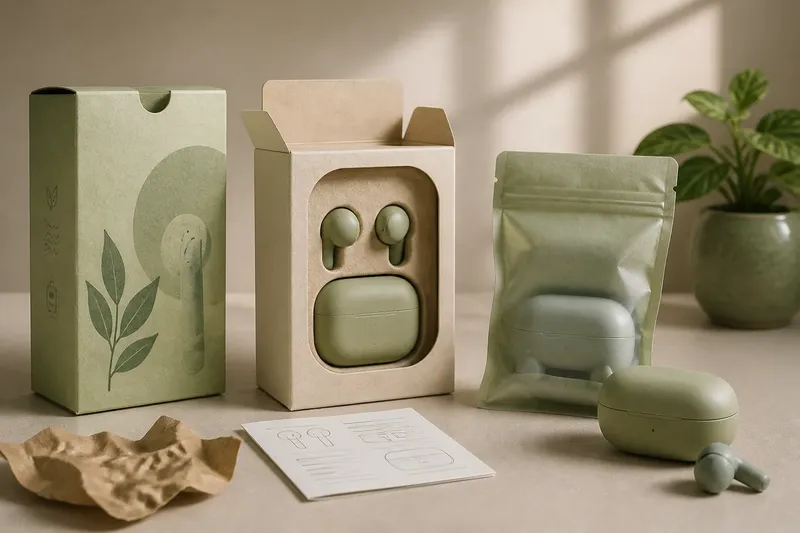
Layered packaging can feel wasteful when a box, sleeve and inner tray all need opening before you reach the product. But each layer may serve a different job: the outer wrap presents or protects, an inner container gives access, and a resealable pouch or case keeps the contents together afterwards. Understanding that division makes it easier to judge what to keep and what to discard.
The useful question is not simply how many layers there are, but whether each one earns its place in your routine. A presentation sleeve, a protective insert and a storage container call for different decisions, even when they arrive around the same product.
Three layers can serve three different purposes
Packaging often divides its work between presentation, access and storage. These functions can overlap, but separating them helps explain why an object may arrive in several pieces.
- Presentation: A printed carton or sleeve identifies the product and creates a first impression on a shelf or as a gift. It can also carry instructions and product details that would not fit on the item itself.
- Access: A tear strip, folded flap, blister or inner pouch controls how the contents are reached. It may keep components together or prevent them moving before the package is opened.
- Storage: A tin, zip pouch or fitted case can continue to organise or protect the product after purchase. A wrapper that tears open cleanly may be convenient at first but have no useful second life.
One piece can do more than one job. A sturdy carton might protect its contents during transport and then keep small parts together in a drawer, while a thin outer sleeve may do little once its information has been read.
Choose between a presentation layer and a working container
A presentation layer is usually designed for the moment of purchase or unboxing. Consider it a candidate for recycling or disposal if it is bulky, opens only by tearing, and adds no protection or useful information once removed. Before letting it go, check whether it carries care instructions, a batch label, a contents list or details you may need later.
A working container is different: it remains useful because it protects, groups or dispenses the contents. A small cardboard box with a shaped insert, for instance, might keep a delicate item from shifting, but that same insert can become needless clutter after the item has a permanent place. Keep the container only if its shape, closure or labelling helps with how you store or use the product.
Say you buy a set of replacement sewing needles packed in a decorated sleeve, a folded cardboard holder and a small clear case. The sleeve gives the product a tidy presentation, the holder keeps the needles in order during removal, and the case can protect them in a sewing kit. You might recycle the sleeve after checking its label, then keep the case if it closes securely and fits your storage drawer.
Match the packaging to how you will use the product
Different approaches suit different needs. Compare what happens after opening, rather than judging packaging by its first impression.
- Single-use outer wrap: Best when the product needs a simple barrier or the buyer wants the least packaging to store at home. It is a poor fit if the contents need to stay grouped and the wrap cannot be closed again.
- Nested presentation and access layers: Useful when the outer package communicates information while a separate inner pack protects or organises the contents. It suits gifts, small components and products that need a clear opening sequence, but can frustrate someone who wants to reach the item quickly.
- Reusable case or pouch: A sensible choice when the container can hold the product between uses or travel with it. It suits items that are easy to misplace or need protection, though keeping an oversized case may take up more space than the item warrants.
Think about the place where the product will live: a kitchen drawer, bathroom shelf, tool box or desk. A resealable pouch may work well in a cupboard, while a stiff case may be easier to find among loose objects. Packaging that seems excessive on a shop shelf can still have a practical storage role, but that role should be apparent in your own space.
What should you keep after opening?
How can I tell whether a layer protects the product?
Look for padding, a fitted shape, a seal or a barrier that separates delicate parts from dust, moisture or movement. If removing the layer leaves the product loose or exposed in a way that matters for its storage, keep it or transfer the contents to a suitable container.
Should I keep the printed box?
Keep it if it contains information you may need, such as assembly guidance, care details or a contents list, or if it makes storage easier. If the useful information is available on the product or a retained insert, the empty box may no longer serve a purpose.
Is a resealable inner pack worth keeping?
It is useful when you will open the pack repeatedly and the closure keeps the contents contained. If it does not close reliably or makes access awkward, choose a container suited to the item instead of keeping the pouch out of habit.
How do I choose what to discard?
After opening, set aside each layer and identify its continuing job: information, protection, organisation or storage. Keep the parts that perform a needed job, and sort the rest according to the recycling guidance available where you live.
Let the information and local disposal rules guide the final choice
Packaging labels can affect what is worth retaining and how to dispose of the rest. Separate pieces only when they come apart easily, and check local recycling guidance for materials such as coated card, mixed-material pouches or plastic inserts. If instructions or disposal rules depend on the product label, manufacturer guidance or local requirements, follow those rather than guessing from appearance.
For a practical decision, open the package over a clear surface and place each layer beside the product. Read the printed information, try the intended closure if there is one, and ask whether each piece will still help at the product’s next use. That small pause makes layered packaging easier to assess: keep the container that earns its space, retain information you may need, and let the rest go through the appropriate disposal route.